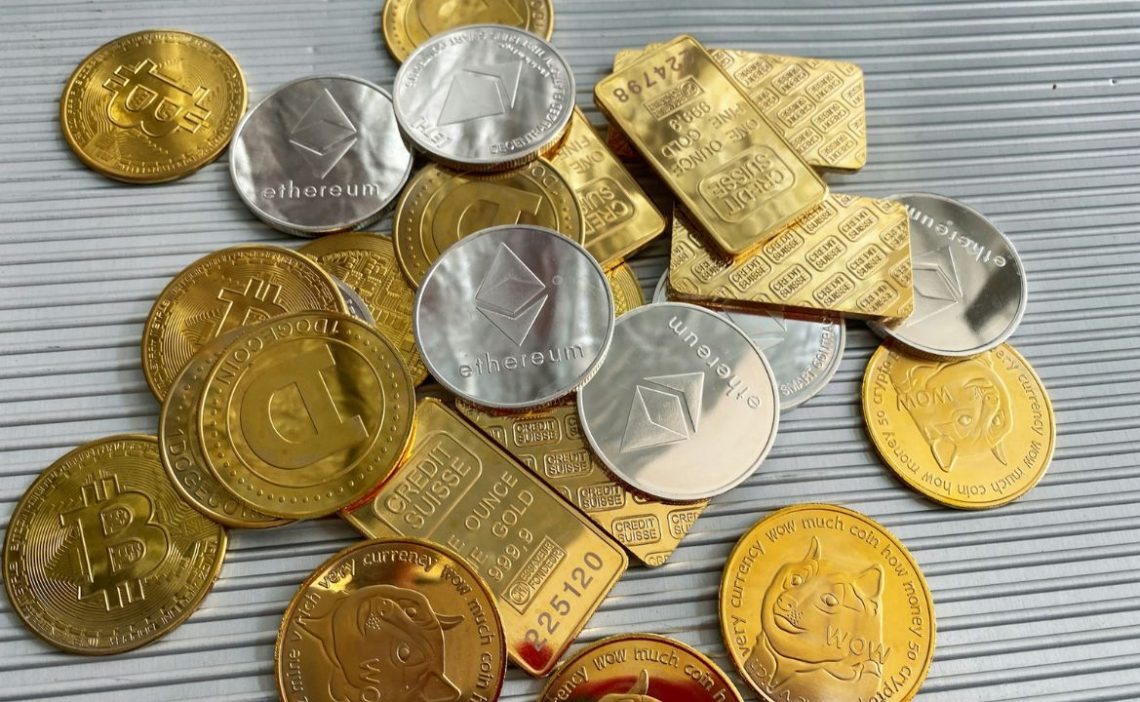
However, beneath these giants lies a fascinating layer of the market: small-cap cryptocurrencies. These lesser-known digital assets, often overlooked by the average investor, represent the frontier of innovation and potential within the blockchain ecosystem. While they may not yet command billions in market capitalization, small-cap coins often serve as the testing ground for new ideas, technologies, and use cases that could shape the industry’s future.
Market capitalization, simply put, refers to the total value of a cryptocurrency in circulation. It’s calculated by multiplying the current price of the token by its total supply. A lower market cap generally means higher volatility, but it can also suggest room for significant growth if the project gains traction. The “top 100 cryptocurrencies with the lowest market caps” represent an intriguing segment of the market—projects that might be undervalued, underexposed, or still in the early stages of development.
Unlike large-cap cryptocurrencies, which often move in response to institutional investors and macroeconomic shifts, low-cap assets are driven largely by innovation and community. Many of them focus on specialized niches such as decentralized storage, AI integration, privacy, gaming, or even sustainable blockchain infrastructure. These projects tend to operate on leaner budgets and smaller teams, yet their creativity and agility can lead to breakthroughs that the larger networks may later adopt or acquire.
Take for instance, the numerous emerging blockchains designed to solve scalability issues. Some of these small-cap coins introduce advanced consensus mechanisms or lightweight smart contract platforms that aim to outperform existing systems. Others specialize in interoperability—building bridges between blockchains so that digital assets and data can flow seamlessly across ecosystems. Then there are the decentralized finance (DeFi) and GameFi projects, each experimenting with new ways to tokenize real-world assets or merge gaming economies with digital currencies.
What makes small-cap cryptocurrencies particularly fascinating is their asymmetric risk-reward profile. A relatively minor increase in adoption or exposure can send their value skyrocketing. But that same volatility means they can just as easily plummet in price if momentum stalls or if developers abandon the project. Investors who venture into this segment of the market must therefore balance curiosity with caution, conducting thorough research and understanding that liquidity can be thin and price manipulation more frequent.
Among these lower-cap cryptocurrencies, there’s also a wide range of project quality. Some coins are genuine attempts to innovate, offering strong use cases and clear roadmaps. Others, however, are speculative or short-lived, launched without sustainable business models or community support. This makes due diligence absolutely essential. Checking a project’s whitepaper, team background, GitHub activity, and community engagement can help separate hidden gems from potential traps.
Interestingly, many of the projects in the lower-cap range serve very specific, sometimes quirky purposes. There are tokens dedicated to decentralized publishing, data indexing, NFT infrastructure, or even climate tracking. Some are regional currencies tied to local economies, while others focus on cutting-edge technologies like zero-knowledge proofs or layer-2 scaling. Their small size gives them the freedom to experiment without the pressure of maintaining massive user bases or defending established market positions.
From an investment perspective, the appeal of small-cap cryptocurrencies lies in diversification and discovery. While most portfolios are heavily weighted toward Bitcoin and Ethereum for stability, allocating a small portion to promising low-cap coins can introduce the possibility of exponential growth. Historical data shows that many of today’s leading coins—such as Cardano, Avalanche, and Chainlink—once occupied the same “undervalued” space before exploding in popularity. Of course, for every success story, there are dozens of projects that faded into obscurity, reminding investors that speculation in this arena carries substantial risk.
Another advantage of exploring low-cap assets is the chance to engage early with emerging communities. Many small-cap projects rely heavily on grassroots marketing and reward early supporters with governance tokens or staking opportunities. Being part of such a community provides a sense of participation and sometimes even influence over the project’s direction. It also fosters the collaborative spirit that lies at the heart of the crypto movement.
As of today, the top 100 cryptocurrencies with the lowest market caps feature a constantly shifting roster of contenders. Their rankings can change dramatically in a matter of days as trading volumes fluctuate and new tokens enter the market. These coins may not make headlines like Bitcoin or Ethereum, but they represent the experimental heart of the blockchain world—a place where innovation thrives before it becomes mainstream.
Ultimately, low-cap cryptocurrencies embody both the promise and peril of the crypto ecosystem. They offer glimpses into the future of decentralized technology but demand a sharp eye, patience, and a willingness to embrace uncertainty. For adventurous investors, exploring these hidden corners of the market can be both exciting and rewarding, as long as the focus remains on research and long-term vision rather than short-term hype.