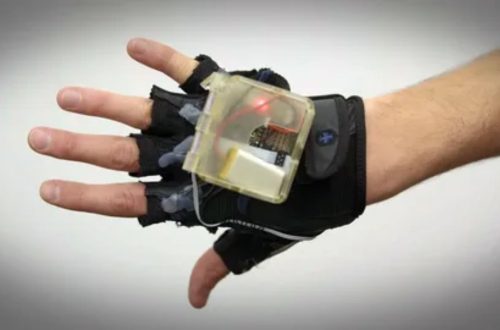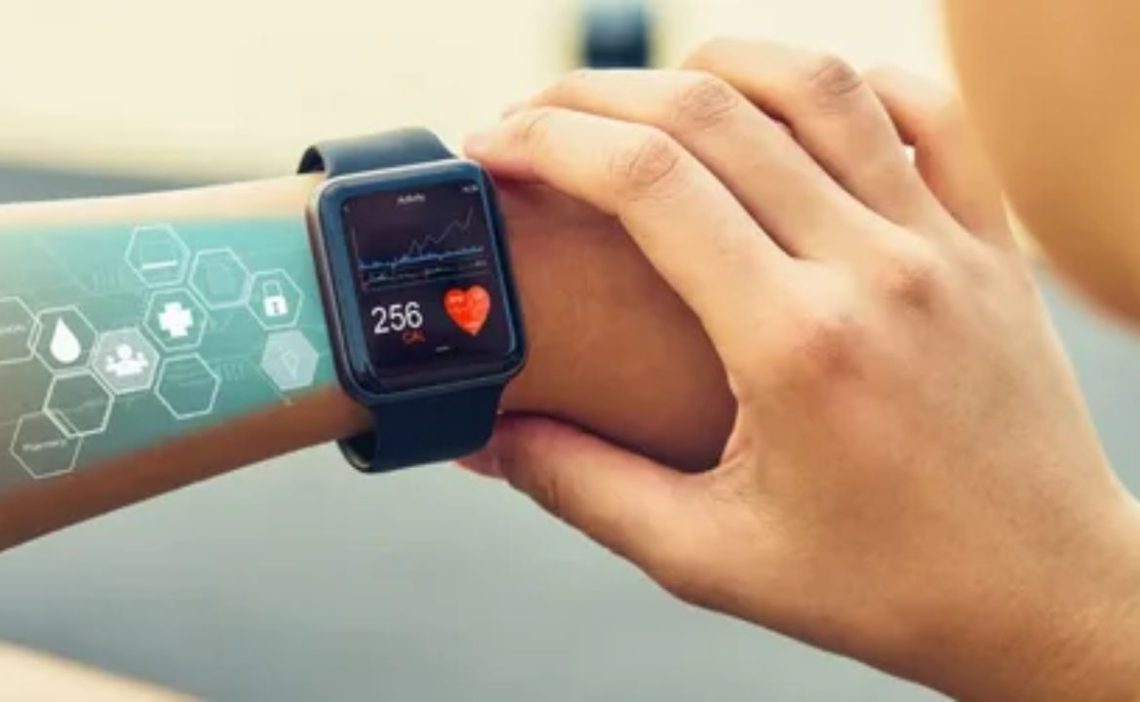
The convergence of fashion, technology, and healthcare has given rise to one of the most transformative trends of the 21st century: wearable technology. As we navigate through an increasingly connected world, wearables FeedWorldTech represents the cutting edge of innovation that seamlessly integrates advanced computing capabilities into devices we wear on our bodies. From smartwatches that monitor our heart rhythms to augmented reality glasses that overlay digital information onto our physical environment, wearable technology is reshaping how we interact with the world around us.
The Evolution of Wearable Technology
The journey of wearable technology began decades ago with simple pedometers and digital watches, but the landscape has transformed dramatically. Today’s wearable devices are sophisticated computing systems equipped with sensors, artificial intelligence, and connectivity features that make them indispensable tools for modern life. The global wearable technology market has experienced exponential growth, with projections suggesting it will continue expanding as devices become more capable, affordable, and integrated into our daily routines.
The current generation of wearables goes far beyond basic fitness tracking. These devices now incorporate advanced biometric sensors, GPS navigation, payment systems, voice assistants, and even medical-grade monitoring capabilities. The technology has matured to a point where wearables are no longer luxury items but essential tools for health management, productivity enhancement, and staying connected in an always-on world.
Health and Wellness Revolution
Perhaps the most significant impact of wearables FeedWorldTech has been in the health and wellness sector. Modern fitness trackers and smartwatches have evolved into comprehensive health monitoring systems capable of tracking everything from sleep patterns and stress levels to blood oxygen saturation and electrocardiogram readings. These devices empower individuals to take control of their health by providing real-time data and actionable insights.
Medical professionals are increasingly recognizing the value of wearable technology in patient care. Continuous glucose monitors for diabetics, smart patches that deliver medication, and wearable ECG monitors that can detect atrial fibrillation have transformed chronic disease management. The ability to collect longitudinal health data outside clinical settings provides physicians with unprecedented insights into patient health, enabling more personalized and preventive care approaches.
The COVID-19 pandemic accelerated the adoption of health-focused wearables as people became more conscious of monitoring their vital signs. Devices that can track respiratory rate, body temperature, and heart rate variability have proven valuable in early detection of illness and monitoring recovery. This trend has established wearables as permanent fixtures in personal health management strategies.
Smart Clothing and Textile Innovation
Beyond watches and bands, the wearable technology landscape is expanding into smart clothing and e-textiles. Innovative companies are developing garments embedded with sensors and conductive fibers that can monitor posture, muscle activity, and body temperature without requiring separate devices. Athletes and fitness enthusiasts benefit from smart athletic wear that provides real-time feedback on form and performance, while fashion-forward consumers embrace clothing that changes color, illuminates, or adapts to environmental conditions.
The integration of technology into textiles represents a fascinating intersection of fashion and function. Designers are collaborating with engineers to create garments that are both aesthetically pleasing and technologically advanced. From jackets with built-in heating elements controlled via smartphone apps to dresses that display dynamic patterns through LED integration, smart clothing is pushing the boundaries of what we consider possible in fashion.
Augmented and Virtual Reality Wearables
The realm of wearables FeedWorldTech extends into immersive technologies through augmented reality glasses and virtual reality headsets. These devices are transforming entertainment, education, and professional training by creating interactive experiences that blend digital content with the physical world or transport users to entirely virtual environments.
Augmented reality smart glasses are finding applications in industrial settings, where workers can access hands-free instructions, schematics, and remote expert assistance while performing complex tasks. In retail, AR glasses enable customers to visualize products in their homes before purchasing. As the technology becomes lighter, more affordable, and socially acceptable, AR glasses may eventually replace smartphones as our primary computing interface.
Virtual reality headsets have evolved from gaming novelties to powerful tools for training, therapy, and social interaction. Medical students practice surgical procedures in VR, therapists treat phobias through controlled exposure in virtual environments, and remote workers collaborate in virtual office spaces. The metaverse concept has driven significant investment in VR wearables, promising new forms of digital interaction and commerce.
Enterprise and Industrial Applications
Wearable technology is revolutionizing workplace productivity and safety across various industries. In manufacturing and logistics, workers equipped with smart glasses receive real-time inventory information, navigation assistance, and quality control instructions without needing to consult separate devices. This hands-free access to information improves efficiency and reduces errors.
Safety-focused wearables include smart helmets with built-in communication systems, vests that monitor worker fatigue and environmental hazards, and devices that track location for emergency response. In high-risk environments like construction sites, oil rigs, and mines, these technologies save lives by alerting workers to dangers and enabling rapid assistance when accidents occur.
The wearables FeedWorldTech ecosystem also encompasses devices designed for specific professional needs. Surgeons wear smart glasses displaying patient data during operations, firefighters use thermal imaging visors, and delivery drivers rely on wrist-mounted scanners. These specialized applications demonstrate how wearable technology adapts to diverse professional contexts.
Privacy, Security, and Ethical Considerations
As wearable devices collect increasingly sensitive personal data, concerns about privacy and security have intensified. The constant monitoring of biometric information, location data, and behavioral patterns creates vast databases that could be vulnerable to breaches or misuse. Manufacturers and regulators must address these concerns through robust encryption, transparent data policies, and user controls over information sharing.
Ethical questions arise regarding workplace monitoring through wearables. While employers may argue that tracking devices improve safety and productivity, employees worry about surveillance and the erosion of personal boundaries. Striking the right balance between legitimate business interests and individual privacy rights remains an ongoing challenge.
The potential for algorithmic bias in wearable technology also deserves attention. If health algorithms are trained primarily on data from certain demographic groups, they may perform poorly for others, leading to health disparities. Ensuring inclusivity in both device design and software development is crucial for equitable access to wearable technology benefits.
The Role of Artificial Intelligence
Artificial intelligence serves as the brain behind modern wearables FeedWorldTech, transforming raw sensor data into meaningful insights. Machine learning algorithms analyze patterns in user behavior, predict health issues before symptoms appear, and personalize recommendations for optimal wellness. As AI capabilities advance, wearables become increasingly proactive rather than merely reactive.
Natural language processing enables voice-controlled interactions with wearables, making them more accessible and user-friendly. Users can ask questions, set reminders, and control smart home devices through simple voice commands. Computer vision allows smart glasses to recognize objects, translate text in real-time, and provide contextual information about the user’s surroundings.
The future of AI in wearables points toward predictive and preventive capabilities. Devices may soon detect early signs of cardiac events, alert users to potential allergens in their environment, or adjust medication delivery based on real-time physiological data. This shift from monitoring to active intervention represents a paradigm change in personal health management.
Battery Life and Power Innovation
One persistent challenge for wearable technology is power management. Users expect devices to operate throughout the day without frequent recharging, yet advanced features demand significant energy. Manufacturers are pursuing multiple approaches to address this limitation, including more efficient processors, solar charging integration, and kinetic energy harvesting that converts body movement into electrical power.
Emerging battery technologies promise longer life spans and faster charging. Solid-state batteries offer higher energy density in smaller packages, while wireless charging solutions eliminate the need for cables. Some researchers are exploring bio-batteries that generate electricity from bodily fluids, though such technologies remain in early development stages.
The balance between functionality and battery life influences design decisions. Manufacturers must decide which features to prioritize and how to optimize power consumption without compromising user experience. As battery technology improves, we can expect wearables to become more capable while maintaining acceptable usage periods between charges.
The Future Landscape
Looking ahead, the wearables market shows no signs of slowing. Predictions suggest that wearable devices will become even more seamlessly integrated into our lives, potentially through implantable technologies or near-invisible form factors. Brain-computer interfaces, though still largely experimental, could represent the next frontier in wearable technology, enabling direct mental control of devices.
The convergence of wearables with other emerging technologies like 5G connectivity, edge computing, and the Internet of Things will create unprecedented possibilities. But imagine smart cities where wearables interact with infrastructure to optimize traffic flow, emergency response, and energy consumption. Healthcare systems could leverage aggregated wearable data to track disease spread, identify health trends, and allocate resources more effectively.
Personalization will reach new levels as wearables adapt to individual preferences, learning styles, and health needs. Devices may eventually anticipate our needs before we consciously recognize them, blurring the line between technology and intuition. This evolution toward truly smart, context-aware wearables represents both exciting opportunities and important challenges for society to navigate thoughtfully.
Conclusion
The world of wearables FeedWorldTech exemplifies how technology continues to transform human experience in profound ways.But from health monitoring and fitness tracking to augmented reality and industrial applications, wearable devices have become integral to modern life. As these technologies mature, they promise even greater integration, intelligence, and impact on how we live, work, and care for ourselves.
The success of wearable technology ultimately depends on creating devices that provide genuine value while respecting user privacy and autonomy. As manufacturers, developers, and policymakers work together to address technical and ethical challenges, wearables will continue evolving into more sophisticated, helpful, and indispensable tools. The future of smart innovation is not just about wearing technology; it’s about technology that understands, anticipates, and enhances human capabilities in meaningful ways.