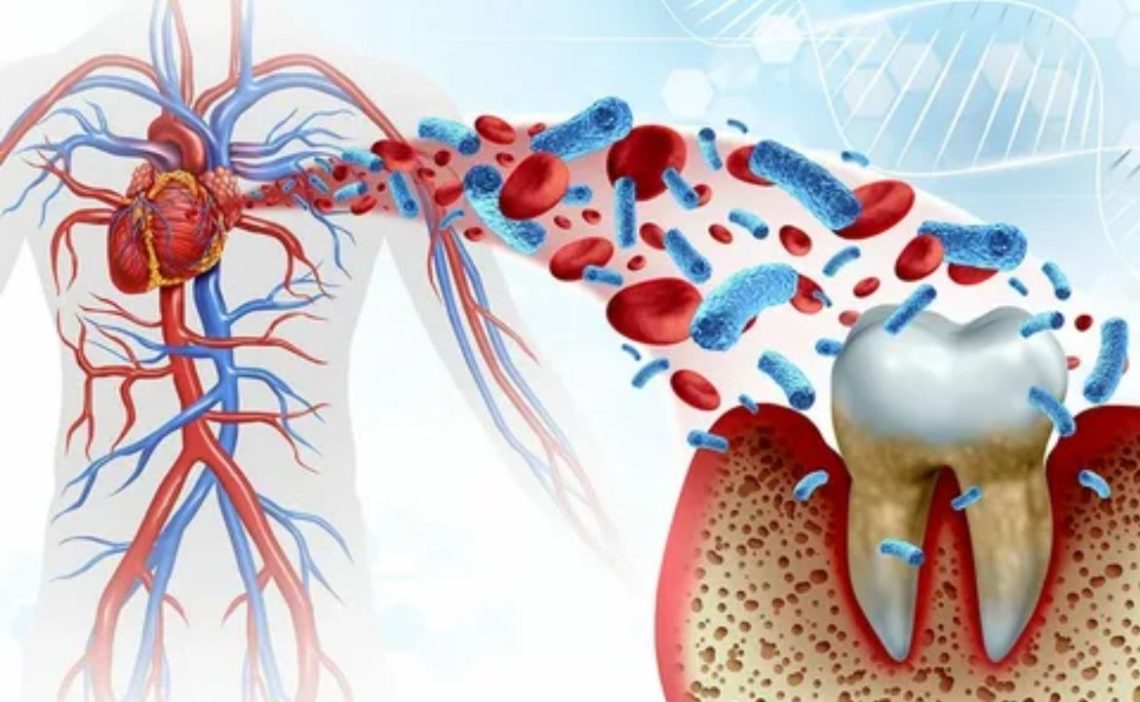
Diseases often evoke fear and uncertainty, especially when the name is unfamiliar. Among lesser-known conditions, “Disohozid Disease” has recently attracted attention and questions online. People want to know: can Disohozid disease kill you, or is it a manageable condition? Understanding this illness, its symptoms, causes, and treatment options can help dispel myths and promote awareness.
What Is Disohozid Disease?
Disohozid Disease is a rare, chronic condition that affects the immune and nervous systems. While scientific information is limited, early findings suggest that the disease results from a bacterial or viral infection that triggers an abnormal immune response. This immune overreaction can lead to inflammation in various organs, especially the liver, lungs, and brain.
The term “Disohozid” may come from the medical classification of similar autoimmune or infectious disorders, though research remains ongoing. Because it’s so uncommon, patients often struggle to get an accurate diagnosis. Symptoms can vary from mild fatigue and fever to severe neurological complications, depending on how the disease progresses.
Common Symptoms and Early Warning Signs
Recognizing symptoms early is essential in managing any illness, and Disohozid Disease is no different. Typical signs may include:
- Persistent fatigue or weakness
- Chronic fever that doesn’t respond to typical treatments
- Swelling or inflammation in the joints
- Skin rashes or discoloration
- Breathing difficulties
- Neurological symptoms such as headaches, confusion, or dizziness
If these symptoms appear together or persist for more than two weeks, a medical evaluation is necessary. While some people recover completely with early intervention, others experience long-term complications if treatment is delayed.
How Serious Is Disohozid Disease?
The severity of Disohozid Disease depends largely on when it’s detected and how the body responds to treatment. In its mild form, patients may experience only temporary discomfort or fatigue. However, in severe cases, inflammation can spread to vital organs, leading to respiratory failure, liver dysfunction, or brain inflammation.
This raises the critical question can Disohozid disease kill you? The answer is that it can, but only under certain conditions. Fatal outcomes are rare and often associated with untreated or misdiagnosed cases. Early diagnosis, combined with proper medication and lifestyle adjustments, significantly reduces the risk of severe complications.
Causes and Risk Factors
The exact cause of Disohozid Disease remains unclear, but several risk factors have been identified:
- Genetic predisposition: Individuals with a family history of autoimmune disorders may be more susceptible.
- Environmental triggers: Exposure to certain toxins, pollutants, or pathogens can provoke an immune reaction.
- Weakened immune system: People with compromised immunity, whether due to age, illness, or medication, are at higher risk.
- Infectious agents: Some researchers suspect a viral or bacterial origin, similar to how infections trigger conditions like Guillain-Barré syndrome.
Though the question “can Disohozid disease kill you” understandably worries many, these risk factors also guide prevention strategies. By minimizing exposure to known triggers and maintaining a strong immune system, individuals can lower their chances of developing severe forms of the illness.
Diagnosis and Testing
Because symptoms overlap with other diseases, diagnosing Disohozid Disease is challenging. Doctors typically use a combination of tests to confirm the condition:
- Blood tests to identify abnormal immune markers
- Imaging scans (MRI or CT) to detect inflammation in internal organs
- Biopsies of affected tissue for laboratory analysis
- Neurological assessments if brain or nerve involvement is suspected
Early diagnosis is key to reducing complications. The sooner a patient begins treatment, the better their prognosis.
Treatment and Management Options
While there’s no single cure for Disohozid Disease, modern medicine offers effective ways to control symptoms and prevent damage. Common treatments include:
- Anti-inflammatory medications to reduce the immune response
- Antibiotics or antivirals if an infection is detected
- Corticosteroids to manage swelling and inflammation
- Lifestyle modifications such as stress reduction, a balanced diet, and regular exercise
In advanced cases, hospitalization may be required to monitor organ function. With ongoing medical support, many patients recover or achieve remission. Continuous follow-ups ensure that the disease does not progress silently.
Can Disohozid Disease Kill You Without Treatment?
Without timely intervention, Disohozid Disease can become life-threatening. When inflammation spreads to the brain or lungs, it may cause severe complications such as encephalitis, respiratory distress, or organ failure. These outcomes, though rare, answer the pressing question: Yes, can Disohozid disease kill you if left untreated, especially in vulnerable individuals.
That said, fatality rates remain extremely low when patients receive proper care. The most important factor is awareness. Understanding early symptoms, seeking medical advice, and following treatment recommendations can prevent the disease from reaching a critical stage.
Living with Disohozid Disease
For those diagnosed with Disohozid Disease, life does not end with the diagnosis. Many people lead fulfilling lives by managing their condition effectively. Emotional support, healthy habits, and regular checkups play a vital role in recovery. Patients often find relief in joining support groups where they can share experiences and coping strategies.
Doctors also emphasize mental health care, as chronic illness can cause anxiety and depression. Building a strong support network of family, friends, and healthcare providers helps maintain both physical and emotional well-being.
Final Thoughts
So, can Disohozid disease kill you? Technically, yes, but in most cases, it doesn’t have to. With early detection, proper medical attention, and lifestyle management, the risks of fatal complications drop dramatically. The key is awareness and prompt action.
Disohozid Disease serves as a reminder that even rare conditions deserve attention and understanding. Knowledge saves lives, and in this case, knowing the facts can mean the difference between fear and empowerment.
Conclusion
To summarize, while Disohozid Disease is a serious and potentially life-threatening condition, death from it is uncommon with proper medical attention. The central concern can Disohozid disease kill you depends largely on how early the disease is detected and treated. Untreated cases or delayed diagnosis can lead to severe organ complications, but with modern treatments and awareness, recovery is possible.
Maintaining a healthy immune system, monitoring symptoms, and seeking medical help promptly are key steps in preventing the disease from becoming fatal. Ultimately, Disohozid Disease can kill you only if it’s ignored, but with vigilance and care, most people can live full and healthy lives despite the diagnosis.